
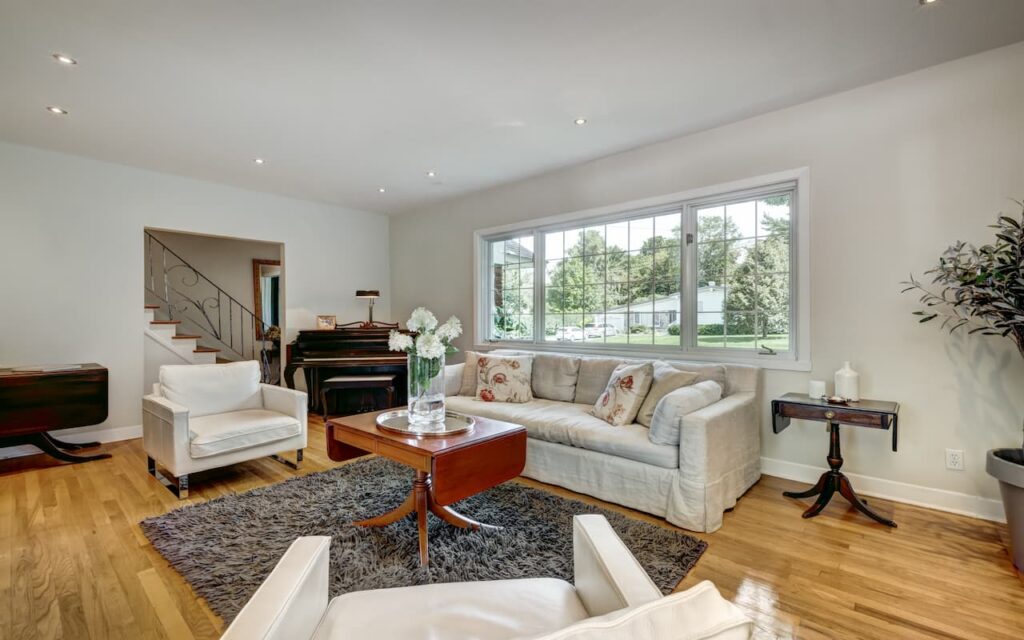
One question many homeowners and property sellers like you face is whether adding furniture when selling your property can improve its appeal. In some cases, adding carefully selected furniture can make rooms feel more inviting, demonstrate how spaces can be used, and help buyers imagine themselves living there. In other situations, furniture may add unnecessary expense or make a property feel smaller. Understanding the benefits and limitations of furnishing a home can help you make a practical decision and create a presentation that appeals to prospective buyers.
Why Furniture Can Matter When Selling a Home
An empty room may look spacious, but it can also make it difficult for buyers to understand its proportions and purpose.
A large room without furniture can feel unfamiliar. Buyers may struggle to determine whether a particular space is large enough for a dining table, sofa, desk, or bedroom furniture.
Furniture provides visual context.
A sofa can demonstrate the scale of a living room. A dining table can show how a dining area functions. A bed can help buyers understand the dimensions of a bedroom.
This is one reason home staging with furniture can be effective. Instead of asking buyers to imagine what the property could look like, you give them a visual example.
The goal is not to fill every room. The goal is to make the property easier to understand and more appealing.
Help Buyers Visualize the Space
Buying a home is both a financial and emotional decision. Buyers want to know whether a property fits their lifestyle.
Furniture can help create that connection.
A living room arranged with a comfortable sofa, coffee table, and simple decorative elements can suggest how the space might be used for relaxing or entertaining. A bedroom with appropriately sized furniture can create a sense of comfort.
This can be particularly useful when a property has unusual layouts, large open areas, or rooms that could serve multiple purposes.
For example, an empty room might leave buyers wondering whether it should become an office, guest bedroom, or playroom. A thoughtfully furnished room can communicate one possible use while still allowing buyers to imagine alternatives.
Furniture should support the property’s features rather than compete with them.
Choose Furniture That Matches the Property
When furnishing a home for sale, the objective is not necessarily to showcase your personal taste.
You are presenting the property to a broad audience.
Neutral furniture generally works well because it allows buyers to focus on the space rather than highly distinctive decorating choices. Soft colors, simple shapes, and uncluttered arrangements can create a clean appearance.
The style should also make sense for the property.
A modern apartment may suit contemporary furniture with simple lines. A traditional property may benefit from classic pieces that complement architectural features.
This does not mean every item must match perfectly. The overall appearance should simply feel cohesive.
Think of furniture as part of the property’s visual presentation.
Focus on the Most Important Rooms
You do not necessarily need to furnish every room.
If your budget is limited, prioritize the spaces that have the greatest influence on buyers.
The living room is often a strong candidate because it is one of the main areas where buyers imagine spending time. The primary bedroom can also benefit from furniture because scale is particularly important in bedrooms.
Dining areas, home offices, and awkward spaces may also benefit from selective staging.
Bathrooms and kitchens generally do not need extensive furniture, although simple accessories can help create a polished appearance.
If a room already has a clear purpose and attractive proportions, it may be better to keep the staging simple.
When Furniture May Not Be Necessary
There are circumstances where you may decide not to furnish a property.
If the home has distinctive architectural features, beautiful finishes, or a naturally appealing layout, empty rooms may allow those characteristics to stand out.
Furniture can also be unnecessary if the target market is primarily interested in the property as an investment, redevelopment opportunity, or renovation project.
Budget is another consideration. Professional staging and furniture rental can cost money, and sellers need to weigh that expense against the potential benefit.
If the property is already receiving strong interest, extensive staging may not be necessary.
The key is to assess the specific property rather than assuming that every home needs the same approach.
Consider the Size of the Property
Furniture selection becomes particularly important in smaller properties.
Large sofas, oversized beds, heavy cabinets, and bulky dining tables can make compact rooms feel cramped.
When staging a smaller property, choose pieces that are appropriately scaled.
A compact sofa may work better than a large sectional. A small dining table may demonstrate the function of the space without overwhelming it.
Leave enough visible floor area for buyers to understand the room’s dimensions.
Mirrors, light colors, and strategic furniture placement can also help create a sense of openness.
For larger properties, furniture can help prevent rooms from feeling empty or disconnected. In a large open-plan living area, a carefully positioned seating arrangement can establish distinct zones.
Keep the Property Clutter-Free
Adding furniture does not mean adding clutter.
Buyers need to see the property itself. Too many personal items, decorations, accessories, and pieces of furniture can distract from important features.
Keep surfaces relatively clear and remove unnecessary objects.
The same principle applies to storage. Overfilled closets can make storage areas appear smaller. Remove items that are not essential and organize the remaining belongings neatly.
The objective is to create a property that feels clean, comfortable, and easy to imagine living in.
If you are researching how to stage a home for sale, remember that effective staging is often about what you remove as much as what you add.
Use Furniture to Define Empty Spaces
Some homes have rooms that are difficult to interpret.
An unusually shaped room may leave buyers uncertain about how to use it. A large open-plan area may feel disconnected without visual boundaries.
Furniture can help solve these problems.
A desk and chair can demonstrate that a small area can work as a home office. Two chairs and a side table can create a reading corner. A sofa can separate a living area from a dining space.
The arrangement should remain flexible. You want to suggest possibilities without making buyers feel that there is only one way to use the room.
Consider Professional Staging
If you are unsure which furniture to use, professional staging may be worth considering.
Professional home stagers understand how furniture placement, color, lighting, and accessories can affect the presentation of a property.
They may provide furniture specifically selected for the size and style of your home. This can be particularly helpful if your existing furniture is very personal, outdated, oversized, or mismatched.
Professional staging can also be useful when you have already moved out, and the property is completely vacant.
Before hiring a staging company, compare costs and services. Ask what is included, how long the furniture will remain in the property, and whether additional fees apply.
The right choice depends on your budget and the potential value of improving the property’s presentation.
Use Your Existing Furniture Carefully
You do not always need to rent furniture.
If your existing pieces are neutral, appropriately sized, and in good condition, they may work well.
Start by removing anything worn, damaged, overly personal, or visually distracting.
Rearrange furniture to improve traffic flow and make rooms appear larger. You may also want to remove some pieces. A room that feels comfortable for everyday living can look crowded in photographs.
Storage can be useful during the selling process. Removing excess furniture can give buyers a clearer view of the property.
If you add furniture when selling your property, every piece should have a purpose. It should improve the room’s appearance, demonstrate scale, or help communicate how the space can be used.
Do Not Hide the Property’s Problems
Furniture should enhance a property, not conceal serious issues.
Avoid using staging to distract from maintenance problems, poor lighting, damaged flooring, or other defects that buyers are likely to notice.
Make necessary repairs before focusing heavily on presentation.
Clean thoroughly, improve lighting where possible, maintain outdoor areas, and address obvious cosmetic problems.
Furniture works best when it complements a property that is already clean and well-maintained.
Measure the Potential Return
Before deciding to add furniture when selling your property, consider the costs carefully.
Ask yourself what you will spend on furniture, rental fees, delivery, installation, storage, and removal. Then consider whether an improved presentation could reasonably help attract more interest or support your asking price.
There is no universal return on investment for staging. Results vary according to the property, location, market conditions, price range, and quality of the presentation.
The most sensible approach is to evaluate your property objectively.
Look at competing listings. Are similar properties furnished or vacant? Which ones appear more appealing online? Does your property have rooms that would be difficult to understand without furniture?
These observations can help inform your decision.
Create a Consistent Presentation
Whether you use your own furniture, rent pieces, or hire a professional, consistency matters. The property should feel cohesive from room to room. Avoid combining too many different styles or colors. Keep the focus on space, light, functionality, and comfort.
So, should you add furniture when selling your property? In many cases, carefully selected furnishings can make a meaningful difference by helping buyers understand room dimensions, visualize potential uses, and form an emotional connection with the home.
Home staging with furniture is most effective when it is intentional. The objective is not to decorate the property according to personal preferences. It is to create a clean, inviting, market-ready environment that allows buyers to focus on the property’s strengths. At the same time, furniture is not essential for every property. Some homes may look better with minimal staging, while others can benefit significantly from thoughtfully furnished rooms.
If you do add furniture when selling your property, choose pieces that are appropriately scaled, neutral, attractive, and functional. Prioritize key rooms, keep clutter under control, and make sure the furniture supports rather than overwhelms the property. The best staging strategy is the one that makes the home easier for buyers to understand, easier to imagine living in, and more appealing from the moment they see the listing.
10% Group makes real estate decisions feel easy, understandable, and satisfying. Share your goals with us, and we’ll help you find the clearest, most effective path forward. One form, one team, endless possibilities. Book a consultation to learn how we can help you with your real estate needs.