
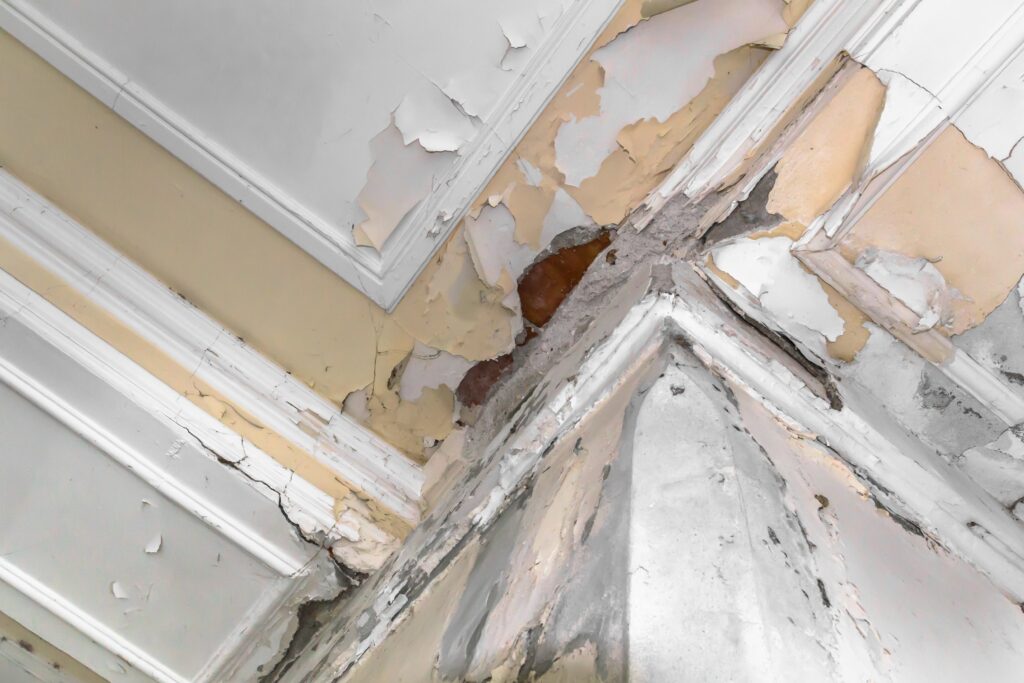
If your house needs major repairs and your budget cannot cover them, it can feel like you are stuck without good solutions. The good news is that several options may help you address the situation without putting your finances at risk. Understanding the resources and strategies available can help you make a practical decision that protects both your home and your financial stability.
Identify the Most Urgent Repairs First
The first step when dealing with major repair issues is determining which problems require immediate attention. Not every repair carries the same level of urgency.
Some issues may be inconvenient but manageable for a short time, while others can pose safety risks or lead to further damage.
Examples of urgent repairs include:
- Roof leaks that allow water into the home
- Electrical hazards or outdated wiring
- Structural problems with the foundation or framing
- Plumbing leaks that cause flooding or mold growth
When a house needs major repairs, prioritizing critical problems helps you focus your limited resources on the issues that could cause the most damage if ignored.
A professional inspection can help you understand which repairs must be addressed right away and which ones can be delayed temporarily.
Look Into Repair Grants and Assistance Programs
Many homeowners are unaware that financial help may be available for home repairs. Federal, state, and local programs sometimes offer grants or low-interest loans to assist with necessary improvements.
These programs are often designed for:
- Low or moderate-income homeowners
- Seniors living on fixed incomes
- Homes with health or safety hazards
- Properties in designated development areas
Programs may provide funding for roofing repairs, structural improvements, accessibility upgrades, or energy efficiency improvements.
Searching for home repair financial assistance in your area may reveal programs that can help reduce or cover the cost of certain repairs.
Local housing agencies or community development offices are often good places to begin your search.
Consider Refinancing or Using Home Equity
If you have built equity in your property, you may be able to access that value to cover repair costs. Homeowners sometimes use refinancing or home equity loans to fund significant improvements.
Common options include:
- Cash out refinancing
- Home equity loans
- Home equity lines of credit
These financial tools allow homeowners to borrow against the value of their property. The funds can then be used to repair structural issues, replace major systems, or improve the home’s condition.
However, it is important to evaluate interest rates, repayment terms, and the long-term financial impact before choosing this option.
While borrowing against your home can provide immediate funds, it also increases your overall debt.
Ask Contractors About Payment Plans
Some contractors understand that large repairs can create financial strain for homeowners. In certain cases, they may offer flexible payment arrangements that allow you to spread costs over time.
Possible options include:
- Installment payment plans
- Financing through contractor partnerships
- Staged project payments as work progresses
Discussing payment options with contractors may make repairs more manageable. Instead of paying the entire cost upfront, you may be able to break the expense into smaller monthly payments.
This approach can be especially helpful when a house needs major repairs that cannot be postponed due to safety concerns.
Focus on Temporary Solutions When Possible
When funding is limited, temporary repairs can sometimes prevent further damage while you search for long-term solutions.
For example:
- Patching a roof leak until full replacement is possible
- Stabilizing a damaged fence or deck
- Installing temporary plumbing fixes
Temporary repairs should never replace necessary structural work, but they can buy time while you secure funding or explore additional options.
This strategy may reduce the risk of additional damage that could increase repair costs later.
Sell the Property As Is
For some homeowners, repairing the home simply is not financially realistic. In these situations, selling the property in its current condition may be the most practical option.
Selling a home means the buyer agrees to purchase the property without requiring the seller to complete repairs.
Advantages of this approach can include:
- Avoiding expensive renovations
- Selling the property more quickly
- Reducing ongoing maintenance costs
Many buyers, including investors and renovation specialists, specifically look for properties that need work.
If your house needs major repairs and you cannot afford the cost, selling the property may allow you to move forward financially without taking on additional debt.
Work With Real Estate Investors
Real estate investors often purchase properties that require significant repairs. These buyers typically have experience renovating homes and may be willing to buy properties that traditional buyers might avoid.
Investors often offer benefits such as:
- Fast closings
- Cash offers
- Flexible timelines
- Fewer repair requirements
This option can be particularly helpful for homeowners who need to resolve repair issues quickly.
Working with experienced investors may also simplify the sales process because they are accustomed to purchasing homes in less-than-perfect condition.
Understand the Risks of Delaying Repairs
While it may be tempting to postpone repairs due to financial stress, delaying certain issues can lead to greater expenses in the future.
For example:
- Small roof leaks can lead to structural water damage
- Plumbing leaks can cause mold growth
- Foundation cracks can worsen over time
Ignoring major issues often leads to higher repair costs later.
Understanding the financial consequences of delay can help you determine which repairs must be addressed immediately and which ones can wait.
When a house needs major repairs, taking action early often prevents the situation from becoming even more expensive.
Explore Community Resources
In addition to government programs, local nonprofit organizations and community groups sometimes offer support for homeowners facing major repair challenges.
Community organizations may provide:
- Volunteer repair services
- Material assistance programs
- Partnerships with local contractors
- Emergency repair funding
These programs vary by location, but they can provide valuable help in difficult situations.
Researching available home repair financial assistance programs in your area may uncover resources that you did not realize existed.
Even partial support can make a significant difference when dealing with expensive repairs.
Create a Long-Term Plan
Once immediate issues are addressed, creating a long-term plan can help prevent similar financial stress in the future.
Homeowners may consider:
- Setting aside a home maintenance savings fund
- Scheduling regular inspections
- Addressing small problems before they grow
- Budgeting annually for maintenance costs
Planning ahead can make future repairs more manageable and reduce the likelihood of unexpected financial strain.
Understanding your options for fixing a house with no money can also help you stay prepared if unexpected repairs occur again.
Finding the Best Option for You
Major home repairs can be stressful, especially when the cost feels overwhelming. Whether the issue involves roofing, structural damage, plumbing, or electrical systems, addressing the problem quickly is important for protecting your home and finances.
If your house needs major repairs and you cannot afford them right away, several solutions may still be available. Assistance programs, financing options, payment plans, and selling the home are all potential paths to consider.
The key is evaluating each option carefully and choosing the approach that aligns best with your financial situation and long-term goals.
By exploring available resources and making informed decisions, you can navigate major repair challenges while protecting your financial future.
10% Group makes real estate decisions feel easy, understandable, and satisfying. Share your goals with us, and we’ll help you find the clearest, most effective path forward. One form, one team, endless possibilities. Book a consultation to learn how we can help you with your real estate needs.