
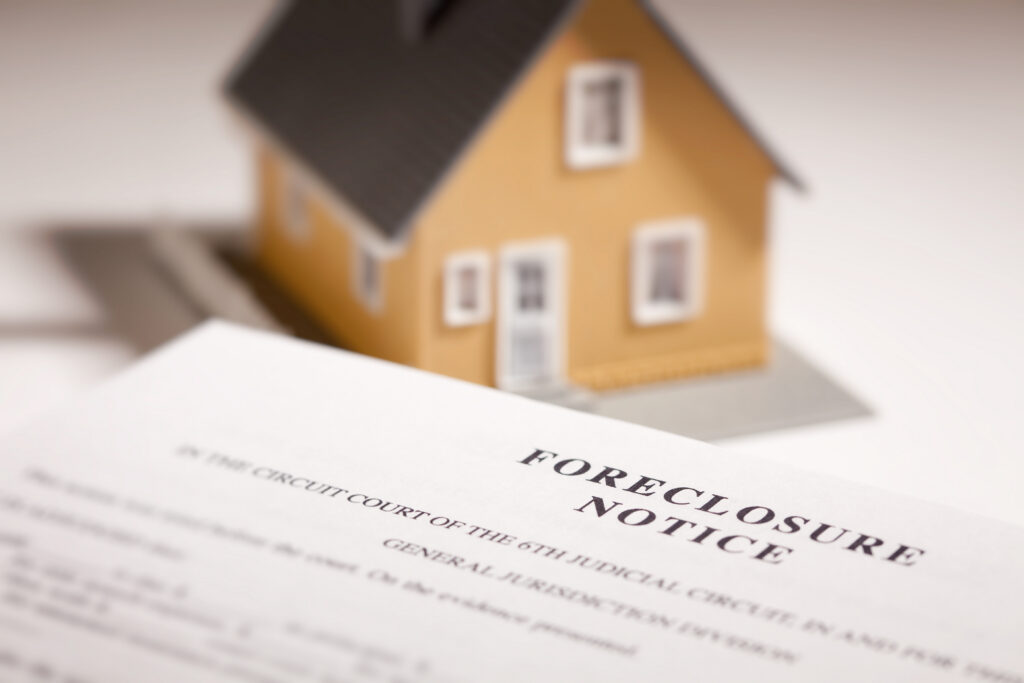
If you are facing foreclosure, understanding the options available can help you make informed decisions and choose a path that best fits your circumstances. From loan modifications and refinancing to selling the property quickly, there are practical strategies that may help prevent foreclosure and provide a fresh financial start.
Understanding the Foreclosure Process
Foreclosure occurs when a homeowner falls behind on mortgage payments, and the lender takes legal action to recover the remaining loan balance. While foreclosure laws and timelines vary by state, the process generally begins after several missed mortgage payments.
Most lenders do not immediately move to foreclosure after one missed payment. In many cases, they will first send notices, assess late fees, and attempt to communicate with the borrower. This period can provide a valuable opportunity to address financial difficulties before the situation becomes more serious.
Ignoring lender communications is one of the biggest mistakes homeowners can make. Many lenders are willing to discuss alternatives if borrowers reach out early and demonstrate a willingness to find a solution.
Why Acting Early Matters
The earlier you respond to financial challenges, the more options you are likely to have available. Delaying action can result in additional fees, increased loan balances, damaged credit, and fewer alternatives for resolving the problem.
Early action may help homeowners:
- Avoid foreclosure proceedings
- Protect their credit score
- Preserve home equity
- Reduce stress and uncertainty
- Gain more negotiating power with lenders
- Create time to explore multiple solutions
Even if your financial hardship feels temporary, it is wise to evaluate your options as soon as possible rather than waiting for the situation to improve on its own.
Loan Modification Programs
One of the most common solutions for struggling homeowners is a loan modification. A loan modification involves changing the terms of the existing mortgage to make monthly payments more affordable.
Depending on the lender and the homeowner’s financial circumstances, a modification may include:
- Lower interest rates
- Extended loan terms
- Reduced monthly payments
- Addition of missed payments to the loan balance
Loan modifications can provide long-term relief for homeowners who have experienced financial hardship but still have enough income to maintain future mortgage payments.
To qualify, borrowers may need to provide documentation such as income statements, tax returns, bank statements, and hardship letters explaining their situation.
For homeowners seeking foreclosure help for homeowners, a loan modification is often one of the first options worth exploring because it allows them to remain in their homes while making payments more manageable.
Refinancing the Mortgage
Refinancing may be another option for homeowners who still qualify for a new loan. Refinancing replaces the existing mortgage with a new one that may offer more favorable terms.
Potential benefits of refinancing include:
- Lower monthly payments
- Reduced interest rates
- Longer repayment periods
- Consolidation of debt in some cases
However, refinancing is generally easier before mortgage delinquency becomes severe. Lenders often review credit scores, income, debt levels, and payment history during the approval process.
Homeowners who have only recently encountered financial difficulties may find refinancing to be a valuable tool for improving affordability and avoiding future payment problems.
Establishing a Repayment Plan
Some financial setbacks are temporary. If missed payments occurred due to a short-term hardship such as illness, temporary unemployment, or unexpected expenses, a repayment plan may provide a practical solution.
A repayment plan allows homeowners to gradually catch up on missed payments over a specified period while continuing to make regular monthly mortgage payments.
For example, a lender may permit a homeowner to pay an additional amount each month until the delinquent balance is fully repaid.
Repayment plans can be beneficial when the homeowner’s financial situation has stabilized, and future income is sufficient to support the arrangement.
Mortgage Forbearance Options
Forbearance is another tool that may be available during periods of financial hardship. Through a forbearance agreement, the lender temporarily reduces or suspends mortgage payments for a specific period.
This option may be appropriate for homeowners experiencing:
- Medical emergencies
- Natural disasters
- Temporary job loss
- Significant income interruptions
While forbearance does not eliminate the debt, it can provide valuable breathing room during difficult times. At the end of the forbearance period, borrowers typically work with the lender to establish a repayment arrangement for the deferred payments.
Negotiating Directly With Your Lender
Many homeowners underestimate how willing lenders can be to discuss alternatives. Foreclosure is often costly and time-consuming for lenders, so they may prefer solutions that keep borrowers in their homes or facilitate a smoother resolution.
Communication is essential. Contacting your lender as soon as financial difficulties arise can open the door to various assistance programs and repayment solutions.
When speaking with your lender:
- Be honest about your financial situation
- Respond promptly to requests for documentation
- Keep records of all communications
- Ask about hardship programs
- Explore multiple available options
Homeowners who proactively communicate with lenders often discover opportunities that may not have been considered otherwise.
Selling the Property Before Foreclosure
Sometimes keeping the home is no longer financially realistic. In these situations, selling the property may be the best way to avoid the long-term consequences of foreclosure.
Selling a house before foreclosure can allow homeowners to:
- Pay off the mortgage balance
- Protect credit from foreclosure-related damage
- Preserve remaining home equity
- Avoid legal complications
- Move forward with greater financial flexibility
The amount of equity in the property often influences the available options. If the home’s market value exceeds the remaining mortgage balance, homeowners may be able to walk away with proceeds after the sale.
Traditional real estate sales can work well when there is enough time before foreclosure deadlines. However, homeowners under significant time pressure may need faster alternatives.
Working With Cash Buyers
Cash buyers can offer a faster solution for homeowners who need to sell quickly. Unlike traditional transactions, cash sales often eliminate many common delays associated with financing approvals, appraisals, and lengthy closing processes.
Benefits of working with cash buyers may include:
- Faster closing timelines
- Reduced uncertainty
- Fewer contingencies
- No need for extensive repairs
- Simplified transactions
For homeowners facing foreclosure, a quick cash sale may provide enough time to satisfy lender obligations and avoid the foreclosure process altogether.
Not all cash buyers operate the same way, so it is important to research companies carefully, review offers thoroughly, and understand all terms before proceeding with a sale.
Considering a Short Sale
A short sale may be an option when the home’s value is less than the amount owed on the mortgage. In a short sale, the lender agrees to accept less than the full loan balance from the sale of the property.
Although a short sale can still affect credit, it is often viewed as less damaging than a completed foreclosure.
Short sales typically require lender approval and can involve substantial documentation. Homeowners considering this route should communicate closely with both their lender and a qualified real estate professional.
Seeking Professional Guidance
Navigating mortgage difficulties can be complex, particularly when foreclosure notices have already been issued. Professional assistance can help homeowners better understand their options and avoid costly mistakes.
Potential sources of support include:
- Housing counselors
- Real estate professionals
- Financial advisors
- Real estate attorneys
- Foreclosure specialists
Professional guidance can help homeowners evaluate available solutions, negotiate with lenders, and develop a plan that aligns with their financial goals.
Those looking for foreclosure help for homeowners often find that expert advice provides clarity during an otherwise stressful and uncertain period.
Protecting Your Financial Future
Even if homeownership is no longer sustainable, taking proactive steps can still protect your long-term financial well-being. The decisions made during financial hardship can influence future borrowing opportunities, credit access, and overall financial stability.
Some key actions include:
- Reviewing household budgets carefully
- Prioritizing mortgage communications
- Avoiding foreclosure scams
- Monitoring credit reports
- Exploring all available alternatives
- Seeking assistance before deadlines pass
Maintaining control of the process can lead to better outcomes than allowing foreclosure proceedings to advance without intervention.
Common Mistakes to Avoid
When homeowners encounter mortgage challenges, certain mistakes can make the situation worse.
These include:
- Ignoring lender notices
- Missing important deadlines
- Failing to seek professional advice
- Assuming no options are available
- Waiting too long to act
- Falling victim to foreclosure rescue scams
Awareness of these pitfalls can help homeowners make informed decisions and preserve as many options as possible.
Focusing on Solutions
Financial hardship can happen unexpectedly, but foreclosure is not always the only outcome. Homeowners have several potential solutions available, including loan modifications, refinancing, repayment plans, forbearance agreements, direct lender negotiations, short sales, and fast property sales.
If you are facing foreclosure, the most important step is to act quickly. Early action can expand your options, reduce financial stress, and improve your chances of finding a workable solution before foreclosure proceedings progress further.
Every situation is unique, but understanding your choices and seeking assistance when needed can help protect your home, your finances, and your future. The sooner you begin exploring available alternatives, the more opportunities you may have to achieve a positive outcome.
10% Group makes real estate decisions feel easy, understandable, and satisfying. Share your goals with us, and we’ll help you find the clearest, most effective path forward. One form, one team, endless possibilities. Book a consultation to learn how we can help you with your real estate needs.